400-998-5282
专注多肽 服务科研

FNAPFDVGIKLSGAQYQQHGRAL-amide corresponds also to the sequence of mouse obestatin.
编号:189370
CAS号:869705-22-6
单字母:H2N-FNAPFDVGIKLSGAQYQQHGRAL-CONH2
| 参考文献(References): | J.V.Zhang et al., Science, 310, 996 (2005) M. Kojima, H. Hosoda, Y. Date, M. Nakazato, H. Matsuo, and K. Kangawa, Nature, 402, 656 (1999) |
Obestatin(rat) TFA 是一种由 Ghrelin 基因编码的肽,由 23 个氨基酸组成。Obestatin(rat) TFA 抑制食物摄入,抑制空肠收缩,并减少体重增加。Obestatin(rat) TFA 是 G 蛋白偶联受体 39 (GPR39) 的内源性配体,具有抗炎,抗心肌梗塞和抗氧化的作用。
Obestatin(rat) TFA, encoded by the Ghrelin gene, is a cpeptide, comprised of 23 amino acids. Obestatin(rat) TFA suppresses food intake, inhibits jejunal contraction, and decreases body-weight gain. Obestatin is an endogenous ligand of G-protein coupled receptor 39 (GPR39). Obestatin(rat) TFA has anti-inflammatory, anti-myocardial infarction and antioxidant activities.
Obestatin是一种23个氨基酸的胃肠肽,由生长素释放肽基因编码,已知通过抑制食欲来减少食物摄入。已发现该肽影响胰腺,心血管系统和脂肪组织以及胃肠系统。一项研究表明,当高脂饮食喂养的大鼠长期服用obestatin时,它可以防止非酒精性脂肪肝的发展。因此,Obestatin有可能用于预防肥胖相关疾病。
Obestatin is a 23 amino acid gastrointestinal peptide, encoded for by the ghrelin gene and is known to reduce food intake through supressing appetite. This peptide has been found to influence the pancreas, cardiovascular system and adipose tissues as well as the gastrointestinal system. One study showed that when high-fat diet fed rats were given chronic administration of obestatin it prevented the development of non-alcoholic fatty liver disease. Consequently Obestatin has the potential to be used in preventing obesity-related diseases.
Obestatin是一种最初从大鼠和小鼠大脑中分离出来的肽。它是Kv1.3和Kv1.5钾通道的有效抑制剂,两个通道的IC50约为1 nM,但对其他离子通道没有影响。Obestatin还抑制抗体与细胞表面表位的结合,这可能是由于其抑制细胞间粘附的能力。obestatin的抗体结合活性也被对应于obestatin N端区域残基的肽抑制,但不被对应于C端区域残基的肽抑制。Obestatin已被证明可激活受体酪氨酸激酶(RTK)途径并诱导信号级联反应,从而导致肿瘤细胞的增殖和分化。
Obestatin is a peptide that was originally isolated from rat and mouse brain. It is a potent inhibitor of Kv1.3 and Kv1.5 potassium channels, with an IC50 of about 1 nM for both channels, but has no effect on other ion channels. Obestatin also inhibits the binding of antibodies to epitopes on the surface of cells, which may be due to its ability to inhibit cell-cell adhesion. The antibody-binding activity of obestatin is also inhibited by peptides corresponding to residues in the N-terminal region of obestatin, but not by peptides corresponding to residues in the C-terminal region. Obestatin has been shown to activate receptor tyrosine kinase (RTK) pathways and induce signaling cascades that lead to the proliferation and differentiation of tumor cells.
食物摄入和胃排空抑制剂
Suppressor of Food Intake and Gastric Emptying
肥胖抑制素(大鼠、小鼠)是源自前阿黑皮素原的双物种肽,参与肠 - 脑调节网络。其序列支持结构相似性和跨物种基序保守性的分析。研究人员用它比较啮齿动物肥胖抑制素信号传导与人的对应物。该肽有助于激素原衍生肽多样性的表征。
Obestatin, rat, mouse is a dual-species peptide derived from preproghrelin that participates in gut–brain regulatory networks. Its sequence supports analyses of structural similarity and interspecies motif conservation. Researchers employ it to compare rodent obestatin signaling with human counterparts. The peptide aids characterization of prohormone-derived peptide diversity.
用于胃肠道研究的多肽
胃肠疾病简介
胃肠道是人体最大的免疫器官。胃肠道是指从胃幽门到肛门的消化道,包括胃、小肠、大肠等部分。肠道是消化道最长的部分,也是其功能最重要的部分。胃肠道不是由肌肉和黏膜组成的简单管道,而是在复杂神经系统的神经支配下发挥作用的一个整体。胃肠道是消化系统的主要器官,它为身体吸收足够的水分和必需的营养物质。胃肠道疾病的种类和范围相当广泛。胃肠道疾病主要指一般炎症性胃肠道疾病(急慢性胃炎、克罗恩病、溃疡性结肠炎、急慢性阑尾炎等)、消化性溃疡、胃癌、食道癌、结直肠癌、肠易激综合征、细菌性痢疾、肠道梗阻、短肠综合征、大肠息肉、肛裂、肛瘘等。
胃肠疾病现状
据世界卫生组织称,胃肠道疾病对人类健康构成了巨大威胁。每年,全世界有超过 1000 万人死于胃肠道疾病。胃肠道疾病的特点是病程较长、治疗难度较大、反复发作。如今,胃肠道疾病的发病率很高。年龄越大,发病率越高,尤其是50岁以上的中老年患者。男性的发病率高于女性。胃肠道疾病如果不及时治疗,时间长了会反复发作,很容易转化为癌症。
胃肠道疾病的症状
症状可能因胃肠道疾病的位置和疾病的性质而异。胃肠道疾病的症状主要有食欲不振、恶心呕吐、腹痛、腹胀、腹泻、便秘等。胃肠道疾病也可能因出血、穿孔、梗阻和癌症而复杂化。
胃肠道疾病的原因
胃肠道疾病的病因是胃黏膜保护因子和攻击因子失衡,导致胃肠黏膜保护因子弱于攻击因子。生活中胃肠道疾病的发生通常与患者的心理因素、饮食、肠道感染、内脏胃肠动力变化、遗传因素和环境因素等有关。
胃肠道疾病的治疗
胃肠道黏膜中有几十个内分泌细胞,它们分泌的激素统称为胃肠激素。胃肠激素都是肽。构成肽链的氨基酸残基数量从几个到几十个不等。这些肽广泛分布于胃肠道黏膜和内在神经系统,对胃肠道平滑肌运动、黏膜腺体分泌、血液供应、局部炎症细胞、免疫活性细胞和细胞因子等具有重要的调节作用。
胃肠道研究的多肽汇总
1、胃动素
胃动素是小肠上部内分泌细胞分泌的一种22个氨基酸的肽,其主要生物学作用是参与消化间期和餐后胃肠运动的调节。近年来研究发现胃动素缺乏与功能性消化不良、肠易激综合征等胃肠道疾病的发生有关。
名称 CAS号 序列 编号
胃动素,犬 85490-53-5 FVPIFTHSELQKIREKERNKGQ 165195
胃动素(人、猪) 52906-92-0 FVPIFTYGELQRMQEKERNKGQ 191529
2、促胃动素
促胃动素是小肠上部内分泌细胞分泌的一种由22个氨基酸组成的肽,其主要生物学作用是参与消化间期和餐后胃肠运动的调节。近年来研究发现胃动素缺乏与功能性消化不良、肠易激综合征等胃肠道疾病的发生有关。
名称 CAS号 序列 编号
胃动素,犬 85490-53-5 FVPIFTHSELQKIREKERNKGQ 165195
促胃动素(人、猪) 52906-92-0 FVPIFTYGELQRMQEKERNKGQ 191529
3、胃泌素
胃泌素的主要功能是刺激胃酸分泌,促进胃肠蠕动,参与铁稳态的维持。同时,胃泌素还能刺激胰腺、胆汁和肠液的分泌,进一步分解小肠内的食物,有利于小肠对营养物质的吸收。
名称 CAS号 序列 编号
胃泌素 I(人类) 10047-33-3 Pyr-GPWLEEEEEEAYGWMDF-NH2 125058
[Leu15]-胃泌素 I(人) 39024-57-2 Pyr-GPWLEEEEEEAYGWLDF-NH2 194067
胃泌素 I (1-14),人类 100940-57-6 Glp-GPWLEEEEEEAYGW 134023
CCK-4醋酸酯 35144-91-3 Trp-Met-Asp-Phe-NH2 111475
五胃泌素 5534-95-2 Boc-bAla-Trp-Met-Asp-Phe-NH2 132402
迷你胃泌素 I,人类 54405-27-5 LEEEEEAYGWMDF-NH2 136910
大胃泌素 1,人类 60675-77-6 Pyr-LGPQGPPXLVADPSKKQGPWLEEEEEEAYGWMDF-NH2 145590
胃泌素 I 大鼠 81123-06-0 Pyr-RPPMEEEEEAYGWMDF-NH2 180253
4、蟾蜍素
铃蟾肽是一种含有 14 个氨基酸残基的生物活性肽。铃蟾肽能刺激其他几种胃肠激素的释放,调节胃肠蠕动,刺激消化道正常粘膜组织的生长,提高致死性小肠结肠炎动物的存活率。
名称 CAS号 序列 编号
蟾蜍素 31362-50-2 Glp-QRLGNQWAVGHLM-NH2 165361
铃蟾肽九肽 55750-00-0 NQWAVGHLM 400427
5、速激肽
速激肽家族都是单链多肽,在羧基末端具有共同的氨基酸序列。速激肽能引起胃肠平滑肌强烈收缩,促进胃排空和肠内容物转运。目前已发现的速激肽包括P物质、神经肽A、神经肽B、神经肽K和神经肽γ。
名称 CAS号 序列 编号
皂甙 69-25-0 Pyr-PSKDAFIGLM-NH2 175600
肛褶蛙肽 63968-82-1 DVPKSDQFVGLM-NH2 128268
神经激肽A 86933-74-6 HKTDSFVGLM-NH2 147461
神经激肽 A (4-10) 97559-35-8 DSFVGLM-NH2 174006
神经激肽B 86933-75-7 DMHDFFVGLM-NH2 143980
物质 P (1-7) 68060-49-1 RPKPQQF 180316
6、生长抑素
生长抑素是一种含有14个氨基酸残基的环状多肽。生长抑素在调节多种内分泌和内分泌过程中起重要作用。生长抑素的主要作用是抑制胃酸分泌,减少胰腺的内分泌和外分泌。
奥曲肽是一种人工合成的8肽生长抑素类似物,其生理作用与生长抑素相似,半衰期为1-2小时。奥曲肽可抑制胃液和胰液的分泌,广泛用于消化道出血、急性胰腺炎、VIP瘤、胃泌素瘤等疾病的治疗。
名称 CAS号 序列 编号
奥曲肽 83150-76-9 DPhe-Cys-Phe-DTrp-Lys-Thr-Cys-Thr-OL(二硫键:Cys2-Cys7) 198265
醋酸奥曲肽 79517-01-4 FC(1)FWKTC(1)T 198265
7、血管活性肠肽 (VIP) 及相关肽
血管活性肠肽(VIP)由28个氨基酸组成,主要由肠神经元释放。VIP在活体中具有双重作用,既作为胃肠激素又作为神经肽。作为一种神经肽,VIP的主要作用是扩张心脑血管,调节脑血流,降低肺动脉压,降低血压。VIP作为一种胃肠激素,在消化系统中的主要作用是抑制胃酸和胃蛋白酶的分泌,松弛肠道平滑肌,使食管下端括约肌、肠道平滑肌、肛门内括约肌松弛。因此,VIP水平的变化与胃肠道疾病密切相关,是胃肠道疾病研究的重要指标。
名称 CAS号 序列 编号
Prepro VIP (111-122),人类 123025-94-5 VSSNISEDPPVPV 142625
Prepro VIP (81-122),人类 111366-38-2 HADGVFTSDFSKLLGQLSAKKYLESLMGKRVSSNISEDPVPV 150156
VIP (6-28)(人、大鼠、猪、牛) 69698-54-0 FTDNYTRLRKQMAVKKYLNSILN-NH2 116303
[Dp-Cl-Phe6,Leu17]-VIP 102805-45-8 HSDAVXXDNYXRLRKQLAVKKYLNSXLN /
8、神经降压素
神经降压素是一种含有13个氨基酸残基的单链肽,由中枢神经系统和胃肠道合成和分泌,在脑和胃肠道中起着重要的协调作用。神经降压素可保护气道免受寒冷刺激引起的胃粘膜损伤,并可抑制胃酸分泌。神经降压素和其他神经肽参与肠道运动的调节。
名称 CAS号 序列 编号
神经降压素 (8-13) 60482-95-3 RRPYIL 145083
神经降压素 39379-15-2 Pyr-LYENKPRRPYIL 154570
[Gln4]-神经降压素 61445-54-3 XLYQNKPRRPYIL 198643
激动素 103131-69-7 IARRHPYFL 198975
爪蟾蛋白 51827-01-1 Pyr-GKRPWIL 164416
9、胆囊收缩素
胆囊收缩素(CCK)由小肠粘膜内壁I型分泌细胞分泌,其生理作用不仅是刺激胰液和胆汁的分泌,还可以调节胃肠动力。CCK的主要功能是减少食物摄入,抑制胃排空和胃酸分泌,刺激胆囊收缩和分泌胰腺消化酶。
名称 CAS号 序列 编号
CCK 八肽(非硫酸化) 25679-24-7 DYMGWMDF-NH2 195755
Gastrin (14-17) (human) 35144-91-3 Trp-Met-Asp-Phe-NH2 111475
10、胰泌素
分泌素是由27个氨基酸残基组成的肽类激素。分泌素几乎由所有肠内分泌细胞分泌,但主要由位于十二指肠粘膜的 S 细胞分泌。胰泌素的主要功能是抑制胃动力和胃酸分泌,并参与体内液体的平衡/渗透压调节。
名称 CAS号 序列 编号
促胰液素醋酸盐 10813-74-8 HSDGTFTSELSRLRDSARLQRLLQGLV-NH2 143392
分泌素(大鼠) 121028-49-7 HSDGTFTSELSRLQDSARLQRLLQGLV-NH2 150160
胰泌素 (28-54),人 108153-74-8 HSDGTFTSELSRLREGARLQRLLQGLV-NH2 198686
分泌素,犬 110786-77-1 HSDGTFTSELSRLRESARLQRLLQGLV-NH2 200685
分泌素 (5-27)(猪) 19665-15-7 TFTSELSRLRDSARLQRLLQGLV-NH2 145730
11、胰多肽
胰多肽是由36个氨基酸组成的肽类激素,参与体内新陈代谢。胰多肽对胃肠道有广泛的作用,主要是抑制胃酸分泌和保护胃粘膜。
名称 CAS号 序列 编号
胰多肽,牛 179986-89-1 APLEPEYPGDNATPEQMAQYAAELRRYINMLTRPRY-NH2 200284
胰多肽,人 75976-10-2 APLEPVYPGDNATPEQMAQYAADLRRYINMLTRPRY-NH2 194468
胰多肽,大鼠 90419-12-8 APLEPMYPGDYATHEQRAQYETQLRRYINTLTRPRY-NH2 157282
12、肽YY
肽YY(PYY)是一种胃肠肽激素,主要由结肠和回肠粘膜的内分泌细胞分泌。YY肽的主要作用是减少食物摄入,减少胰腺外分泌,抑制胃肠蠕动和胃酸分泌。
名称 CAS号 序列 编号
肽YY (3-36) 126339-09-1 IKPEAPGEDASPEELNRYYASLRHYLNLVTRQRY-NH2 200293
肽YY(3-36)人 123583-37-9 IKPEAPGEDASPEELNRYYASLRHYLNLVTRQRY 198454
肽 YY,人类 118997-30-1 YPIKPEAPGEDASPEELNRYYASLRHYLNLVTRQRY 132375
13、神经肽Y
神经肽Y是由36个氨基酸组成的肽类激素,结构中富含酪氨酸,属于胰多肽家族。神经肽Y释放后,主要通过神经肽Y受体发挥作用,影响摄食行为、激素分泌和胃肠功能。
名称 CAS号 序列 编号
神经肽 Y(人,大鼠) 90880-35-6 YPSKPDNPGEDAPAEDMARYYSALRHYINLITRQRY-NH2 176022
神经肽 Y (13-36),酰胺,人 122341-40-6 PAEDMARYYSALRHYINLITRQRY-NH2 199416
神经肽Y 22-36 119019-65-7 SALRHYINLITRQRY-NH2 139969
神经肽 Y (29-64) 303052-45-1 YPSKPDNPGEDAPAEDMARYYSALRHYINLITRQRY 122423
神经肽 Y(游离酸)(人、大鼠) 99575-89-0 YPSKPDNPGEDAPAEDMARYYSALRHYINLITRQRY 122423
14、阿片肽
阿片肽在 N 端共享一个共同的 5 个氨基酸序列。阿片肽可分为三类:脑啡肽、强啡肽和内啡肽。阿片肽可以调节胃肠蠕动。
名称 CAS号 序列 编号
[DAla2]-Leu-Enkephalin-Arg 81733-79-1 H-Tyr-D-Ala-Gly-Phe-Leu-Arg-OH 135373
强啡肽 A (1-13) 72957-38-1 YGGFLRRIRPKLK 116368
强啡肽 B 1-13 83335-41-5 YGGFLRRQFKVVT 117754
甲硫氨酸脑啡肽 58569-55-4 H-Tyr-Gly-Gly-Phe-Met-OH 145193
N-乙酰-α-内啡肽 88264-63-5 Ac-YGGFMTSEKSQTPLVT 171588
β-内啡肽,大鼠 77367-63-6 YGGFMTSEKSQTPLVTLFKNAIIKNVHKKGQ 195443
β-酪啡肽,人类 102029-74-3 YPFVEPI 132731
β-酪啡肽 (1-3),酰胺 80705-23-3 Tyr-Pro-Phe-NH2 167339
β-酪啡肽 (1-5),酰胺,牛 83936-23-6 Tyr-d-Ala-Phe-Pro-Met 200643
β-酪啡肽 (1-6),牛 77434-43-6 Tyr-Pro-Phe-Pro-Gly-Pro 163513
β-酪啡肽 (1-7),牛 72122-62-4 YPFPGPI 145444
α-新内啡肽 1-8 83339-89-3 YGGFLRKY 200655
β-新内啡肽 77739-21-0 YGGFLRKYP 117163
15、抑胃多肽
胃抑制多肽(GIP)是由43个氨基酸组成的线性多肽,由小肠黏膜K细胞产生。GIP的生理功能是抑制胃酸分泌,抑制胃蛋白酶分泌,刺激胰岛素释放,抑制胃蠕动和排空,刺激小肠液分泌,刺激胰高血糖素分泌。
名称 CAS号 序列 编号
GIP(人类) 100040-31-1 YAEGTFISDYSIAMDKIHQQDFVNWLLAQKGKKNDWKHNITQ 114120
GIP (1-39) 725474-97-5 YAEGTFISDYSIAMDKIRQQDFVNWLLAQKGKKSDWKHN 208477
胃泌素(Gastrin)的定义
胃泌素是胃酸分泌的主要生理调节剂。它对胃粘膜也有重要的营养或生长促进作用。
Gastrin is a major physiological regulator of gastric acid secretion. It also has an important trophic or growth-promoting influence on the gastric mucosa.
胃泌素(Gastrin)的相关肽
前胃泌素在胃窦G细胞中合成并加工成许多生物活性肽。七肽胃泌素-17是主要产物(胃泌素成分3或少量胃泌素),也称为胆囊收缩素B【1】。胃泌素-17酰胺对应于前胃泌素-(55-71)。甘氨酸延伸的非硫酸化胃泌素-17对应于前胃泌素-(55-72)。胃泌素-17的一小部分在G细胞中被切割并作为短COOH末端肽释放,作为胃泌素-7,胃泌素-6和胃泌素-5的混合物【2】。硫酸化胃泌素-6是释放到窦静脉血中的主要形式。胃泌素6比胃泌素17具有更高的效力但功效更低。酪氨酸O-硫酸化增加了胃泌素-6的功效,这也增强了对消除的保护作用。隐球菌素对应于前胃泌素-(1-35)。隐球菌素-(6-35)(前胃泌素-(6-35))是该肽的较短形式【3】。两种最大的α-羧酰胺化胃泌素前体产物是胃泌素71和胃泌素52。胃泌素-52具有生物活性,其功效接近或类似于胃泌素-17【4】。胃泌素成分1是胃泌素的最大激素活性形式,并且已显示对应于胃泌素71。胃泌素-14被称为胃泌素成分4或微胃泌素【5】。五肽胃泌素对应于胃泌素的五个C末端氨基酸,与CCK-5(胆囊收缩素-5)相同,CCK-5主要通过B型胆囊收缩素受体起作用。
Progastrin is synthesized in antral G cells and processed into a number of bioactive peptides. The heptadecapeptide gastrin-17 is the main product (Gastrin component 3 or little Gastrin), called also Cholecystokinin B【1】. Gastrin-17 amide corresponds to Progastrin-(55-71). Glycine-extended nonsulfated gastrin-17 corresponds to Progastrin-(55-72). A minor fraction of gastrin-17 is cleaved in G cells and released as short COOH-terminal peptides, as a mixture of gastrin-7, gastrin-6, and gastrin-5【2】. The sulfated gastrin-6 is the predominant form released to antral venous blood. Gastrin 6 has a higher potency but a lower efficacy than gastrin-17. The efficacy of gastrin-6 is increased by tyrosine O-sulfation, which also enhances the protection against elimination. Cryptagastrin corresponds to progastrin-(1-35). Cryptagastrin-(6-35) (progastrin-(6-35) is a shorter form of this peptide【3】. The two largest alpha-carboxyamidated progastrin products are gastrin-71 and gastrin-52. Gastrin-52 is bioactive with an efficacy close to or similar to that of gastrin-17【4】. Gastrin component 1 is the largest hormonally active form of gastrin and has been shown to correspond to gastrin-71. Gastrin-14 has been termed gastrin component 4 or minigastrin【5】. Pentagastrin corresponds the five C-terminal amino acids of gastrin and is the same as CCK-5 [cholecystokinin-5], which acts mainly through the type B cholecystokinin receptor.
胃泌素(Gastrin)的发现
胃泌素最初由Edkins和Cantab于1905【6】年鉴定,是胃窦中产生的一种刺激胃酸分泌的因子。它是从猪胃窦粘膜中纯化出来的,并于1964年由Gregory和Tracy测序【7】。
Gastrin was identified originally by Edkins and Cantab in 1905【6】, as a factor produced in the antrum of the stomach that stimulates gastric acid secretion. It was purified from hog antral mucosa and sequenced by Gregory and Tracy in 1964【7】.
胃泌素(Gastrin)的结构特征
胃泌素是一种线性肽,合成为前胃泌素,前胃泌素,在胃窦G细胞中加工成许多不同长度的生物活性胃泌素,它们具有相同的含有活性位点的α-酰胺化C末端。胃泌素的活性位点是羧基末端四肽酰胺Trp-Met-Asp-Phe-NH2,所有生物活性片段都具有羧基末端六序列Tyr(SO4)-Gly-Trp-Met-Asp-Phe-NH2。氨基末端延伸的长度控制循环激素形式的代谢和清除。所有生物活性胃泌素肽都是羧酰胺化的,以非硫酸化和硫酸化形式存在【8】。
Gastrin is a linear peptide that is synthesized as a preprohormone, Progastrin, which is processed in antral G cells to a number of bioactive gastrins of different length, which share the same alpha-amidated C-terminus containing the active site. The active site of gastrin is the carboxyterminal tetrapeptide amide Trp-Met-Asp-Phe-NH2 and all bioactive fragments have the carboxyterminal hexasequence Tyr (SO4)-Gly-Trp-Met-Asp-Phe-NH2. The lengths of the aminoterminal extensions govern metabolism and clearance of the circulating hormone forms. All bioactive gastrin peptides are carboxyamidated and exist in nonsulfated and sulfated forms【8】.
胃泌素(Gastrin)的作用机制
胃泌素受体也是结合胆囊收缩素的受体之一,被称为CCK-B受体。它是G蛋白偶联受体家族的成员。胃泌素的结合刺激细胞内Ca++的增加,蛋白激酶C的激活和肌醇磷酸的产生【9】。
The gastrin receptor is also one of the receptors that bind cholecystokinin, and is known as the CCK-B receptor. It is a member of the G protein-coupled receptor family. Binding of gastrin stimulates an increase in intracellular Ca++, activation of protein kinase C, and production of inositiol phosphate【9】.
胃泌素(Gastrin)的功能
胃泌素似乎对胃肠功能至少有两个主要影响:
Gastrin appears to have at least two major effects on gastrointestinal function:
1、刺激胃酸分泌:胃泌素受体存在于壁细胞上,胃泌素与组胺和乙酰胆碱的结合导致这些细胞完全刺激酸分泌。肠嗜铬样(ECL)细胞也携带胃泌素受体,最近的证据表明,该细胞可能是胃泌素调节酸分泌的最重要靶标。胃泌素刺激ECL细胞导致组胺释放,组胺与壁细胞上的H2受体结合是全面分泌酸所必需的。
1. Stimulation of gastric acid secretion: Gastrin receptors are found on parietal cells, and binding of gastrin, along with histamine and acetylcholine, leads to fully-stimulated acid secretion by those cells. Enterochromaffin-like (ECL) cells also bear gastrin receptors, and recent evidence indicates that this cell may be the most important target of gastrin with regard to regulating acid secretion. Stimulation of ECL cells by gastrin leads to histamine release, and histamine binding to H2 receptors on parietal cells is necessary for full-blown acid secretion.
2、促进胃粘膜生长:胃泌素显然具有刺激胃粘膜发育和生长的许多方面的能力。胃泌素治疗可刺激胃粘膜中的DNA,RNA和蛋白质合成,并增加壁细胞的数量。支持这一功能的另一个观察结果是,患有高胃泌素血症(胃泌素异常高的血液水平)的人始终表现出胃粘膜肥大。
2. Promotion of gastric mucosal growth: Gastrin clearly has the ability to stimulate many aspects of mucosal development and growth in the stomach. Treatment with gastrin stimulates DNA, RNA and protein synthesis in gastric mucosa and increases the number of parietal cells. Another observation supporting this function is that humans with hypergastrinemia (abnormally high blood levels of gastrin) consistently show gastric mucosal hypertrophy.
除了壁细胞和ECL细胞靶标外,胃泌素还通过与胆囊收缩素受体结合来刺激胰腺腺泡细胞,并且已经在某些胃平滑肌细胞群上证实了胃泌素受体,这支持了药理学研究,证明了胃泌素在调节胃动力中的作用。
In addition to parietal and ECL cell targets, gastrin also stimulates pancreatic acinar cells via binding to cholecystokinin receptors, and gastrin receptors have been demonstrated on certain populations of gastric smooth muscle cells, supporting pharmacologic studies that demonstrate a role for gastrin in regulating gastric motility.
胃泌素(Gastrin)的相关文献
1. Morley JS, Tracy HJ, Gregory RA (1965). Structure-function relationships in the active C-terminal tetrapeptide sequence of gastrin. Nature, 207, 1356-1359.
2. Rehfeld JF, Hansen CP, Johnsen AH (1995). Postpoly(Glu) cleavage and degradation modified by O-sulfated tyrosine: a novel posttranslational processing mechanism. EMBO Journal, 14, 389-396.
3. Huebner VD, Jiang RL, Lee TD, Legesse K, Walsh JH, Shively JE, Chew P, Azumi T, Reeve JR Jr (1991). Purification and structural characterization of progastrin-derived peptides from a human gastrinoma. J Biol. Chem., 266(19), 12223-12227.
4. Hansen CP, Stadil F, Rehfeld JF (1995). Metabolism and influence of gastrin-52 on gastric acid secretion in humans. Amer. J of Physiol., 269(4 Pt 1), G600-605.
5. Gregory RA, Tracy HJ, Harris JI, Runswick MJ, Moore S, Kenner GW, Ramage R (1979). Minigastrin: corrected structure and synthesis. Hoppe Seylers Zeitschrift für Physiologische Chemie, 360, 73-80.
6. Edkin JS and Cantab MB (1905). On the chemical mechanism of gastric secretion. Proc. of the Royal Society London, 76, 376.
7. Gregory H, Hardy PM, Jones DS, Kenner GW, Sheppard RC (1964). The antral hormone gastrin. Structure of gastrin. Nature, 204, 931-3.
8. Rehfeld JF and Larsson LI (1979). The predominating molecular form of gastrin and cholecystokinin in the gut is a small peptide corresponding to their COOH-terminal tetrapeptide amide. Acta Physiologica Scandinavia, 115, 117-119.
9. Dockray GJ (1999). Topical review. gastrin and gastric epithelial physiology. J Physiol., 518(2), 315-324.
定义
酶是用于生化反应的非常有效的催化剂。它们通过提供较低活化能的替代反应途径来加快反应速度。酶作用于底物并产生产物。一些物质降低或什至停止酶的催化活性被称为抑制剂。
发现
1965年,Umezawa H分析了微生物产生的酶抑制剂,并分离出了抑制亮肽素和抗痛药的胰蛋白酶和木瓜蛋白酶,乳糜蛋白酶抑制的胰凝乳蛋白酶,胃蛋白酶抑制素抑制胃蛋白酶,泛磷酰胺抑制唾液酸酶,乌藤酮抑制酪氨酸羟化酶,多巴汀抑制多巴胺3-羟硫基嘧啶和多巴胺3-羟色胺酶酪氨酸羟化酶和多巴胺J3-羟化酶。最近,一种替代方法已应用于预测新的抑制剂:合理的药物设计使用酶活性位点的三维结构来预测哪些分子可能是抑制剂1。已经开发了用于识别酶抑制剂的基于计算机的方法,例如分子力学和分子对接。
结构特征
已经确定了许多抑制剂的晶体结构。已经确定了三种与凝血酶复合的高效且选择性的低分子量刚性肽醛醛抑制剂的晶体结构。这三种抑制剂全部在P3位置具有一个新的内酰胺部分,而对胰蛋白酶选择性最高的两种抑制剂在P1位置具有一个与S1特异性位点结合的胍基哌啶基。凝血酶的抑制动力学从慢到快变化,而对于胰蛋白酶,抑制的动力学在所有情况下都快。根据两步机理2中稳定过渡态络合物的缓慢形成来检验动力学。
埃米尔•菲舍尔(Emil Fischer)在1894年提出,酶和底物都具有特定的互补几何形状,彼此恰好契合。这称为“锁和钥匙”模型3。丹尼尔·科什兰(Daniel Koshland)提出了诱导拟合模型,其中底物和酶是相当灵活的结构,当底物与酶4相互作用时,活性位点通过与底物的相互作用不断重塑。
在众多生物活性肽的成熟过程中,需要由其谷氨酰胺(或谷氨酰胺)前体形成N末端焦谷氨酸(pGlu)。游离形式并与底物和三种咪唑衍生抑制剂结合的人QC的结构揭示了类似于两个锌外肽酶的α/β支架,但有多个插入和缺失,特别是在活性位点区域。几种活性位点突变酶的结构分析为针对QC相关疾病5的抑制剂的合理设计提供了结构基础。
作用方式
酶是催化化学反应的蛋白质。酶与底物相互作用并将其转化为产物。抑制剂的结合可以阻止底物进入酶的活性位点和/或阻止酶催化其反应。抑制剂的种类繁多,包括:非特异性,不可逆,可逆-竞争性和非竞争性。可逆抑制剂 以非共价相互作用(例如疏水相互作用,氢键和离子键)与酶结合。非特异性抑制方法包括最终使酶的蛋白质部分变性并因此不可逆的任何物理或化学变化。特定抑制剂 对单一酶发挥作用。大多数毒药通过特异性抑制酶发挥作用。竞争性抑制剂是任何与底物的化学结构和分子几何结构非常相似的化合物。抑制剂可以在活性位点与酶相互作用,但是没有反应发生。非竞争性抑制剂是与酶相互作用但通常不在活性位点相互作用的物质。非竞争性抑制剂的净作用是改变酶的形状,从而改变活性位点,从而使底物不再能与酶相互作用而产生反应。非竞争性抑制剂通常是可逆的。不可逆抑制剂与酶形成牢固的共价键。这些抑制剂可以在活性位点附近或附近起作用。
功能
工业应用中, 酶在商业上被广泛使用,例如在洗涤剂,食品和酿造工业中。蛋白酶用于“生物”洗衣粉中,以加速蛋白质在诸如血液和鸡蛋等污渍中的分解。商业上使用酶的问题包括:它们是水溶性的,这使得它们难以回收,并且一些产物可以抑制酶的活性(反馈抑制)。
药物分子,许多药物分子都是酶抑制剂,药用酶抑制剂通常以其特异性和效力为特征。高度的特异性和效力表明该药物具有较少的副作用和较低的毒性。酶抑制剂在自然界中发现,并且也作为药理学和生物化学的一部分进行设计和生产6。
天然毒物 通常是酶抑制剂,已进化为保护植物或动物免受天敌的侵害。这些天然毒素包括一些已知最剧毒的化合物。
神经气体( 例如二异丙基氟磷酸酯(DFP))通过与丝氨酸的羟基反应生成酯,从而抑制了乙酰胆碱酯酶的活性位点。
参考
1、Scapin G (2006). Structural biology and drug discovery. Curr. Pharm. Des., 12(17):2087–2097.
2、Krishnan R, Zhang E, Hakansson K, Arni RK, Tulinsky A, Lim-Wilby MS, Levy OE, Semple JE, Brunck TK (1998). Highly selective mechanism-based thrombin inhibitors: structures of thrombin and trypsin inhibited with rigid peptidyl aldehydes. Biochemistry, 37 (35):12094-12103.
3、Fischer E (1894). Einfluss der configuration auf die wirkung der enzyme. Ber. Dt. Chem. Ges., 27:2985–2993.
4、Koshland DE (1958). Application of a theory of enzyme specificity to protein synthesis. PNAS., 44 (2):98–104.
5、Huang KF, Liu YL, Cheng WJ, Ko TP, Wang AH (2005). Crystal structures of human glutaminyl cyclase, an enzyme responsible for protein N-terminal pyroglutamate formation. PNAS., 102(37):13117-13122.
6、Holmes CF, Maynes JT, Perreault KR, Dawson JF, James MN (2002). Molecular enzymology underlying regulation of protein phosphatase-1 by natural toxins. Curr Med Chem., 9(22):1981-1989.
Definition
Enzymes are very efficient catalysts for biochemical reactions. They speed up reactions by providing an alternative reaction pathway of lower activation energy. Enzyme acts on substrate and gives rise to a product. Some substances reduce or even stop the catalytic activities of enzymes are called inhibitors.
Discovery
In 1965, Umezawa H analysed enzyme inhibitors produced by microorganisms and isolated leupeptin and antipain inhibiting trypsin and papain, chymostatin inhibiting chymotrypsin, pepstatin inhibiting pepsin, panosialin inhibiting sialidases, oudenone inhibiting tyrosine hydroxylase, dopastin inhibiting dopamine 3-hydroxylase, aquayamycin and chrothiomycin inhibiting tyrosine hydroxylase and dopamine J3-hydroxylase . Recently, an alternative approach has been applied to predict new inhibitors: rational drug design uses the three-dimensional structure of an enzyme's active site to predict which molecules might be inhibitors 1. Computer-based methods for identifying inhibitor for an enzyme have been developed, such as molecular mechanics and molecular docking.
Structural Characteristics
The crystal structures of many inhibitors have been determined. The crystal structures of three highly potent and selective low-molecular weight rigid peptidyl aldehyde inhibitors complexed with thrombin have been determined. All the three inhibitors have a novel lactam moiety at the P3 position, while the two with greatest trypsin selectivity have a guanidinopiperidyl group at the P1 position that binds in the S1 specificity site. The kinetics of inhibition vary from slow to fast with thrombin and are fast in all cases with trypsin. The kinetics are examined in terms of the slow formation of a stable transition-state complex in a two-step mechanism 2.
Emil Fischer in 1894 suggested that both the enzyme and the substrate possess specific complementary geometric shapes that fit exactly into one another.This is known as "the lock and key" model 3. Daniel Koshland suggested induced fit model where substrate and enzymes are rather flexible structures, the active site is continually reshaped by interactions with the substrate as the substrate interacts with the enzyme 4.
N-terminal pyroglutamate (pGlu) formation from its glutaminyl (or glutamyl) precursor is required in the maturation of numerous bioactive peptides. The structure of human QC in free form and bound to a substrate and three imidazole-derived inhibitors reveals an alpha/beta scaffold akin to that of two-zinc exopeptidases but with several insertions and deletions, particularly in the active-site region. The structural analyses of several active-site-mutant enzymes provide a structural basis for the rational design of inhibitors against QC-associated disorders 5.
Mode of Action
Enzymes are proteins that catalyze chemical reactions. Enzymes interact with substrate and convert them into products. Inhibitor binding can stop a substrate from entering the enzyme's active site and/or hinder the enzyme from catalyzing its reaction. There are a variety of types of inhibitors including: nonspecific, irreversible, reversible - competitive and noncompetitive. Reversible inhibitors bind to enzymes with non-covalent interactions like hydrophobic interactions, hydrogen bonds, and ionic bonds. Non-specific methods of inhibition include any physical or chemical changes which ultimately denature the protein portion of the enzyme and are therefore irreversible. Specific Inhibitors exert their effects upon a single enzyme. Most poisons work by specific inhibition of enzymes. A competitive inhibitor is any compound which closely resembles the chemical structure and molecular geometry of the substrate. The inhibitor may interact with the enzyme at the active site, but no reaction takes place. A noncompetitive inhibitor is a substance that interacts with the enzyme, but usually not at the active site. The net effect of a non competitive inhibitor is to change the shape of the enzyme and thus the active site, so that the substrate can no longer interact with the enzyme to give a reaction. Non competitive inhibitors are usually reversible. Irreversible Inhibitors form strong covalent bonds with an enzyme. These inhibitors may act at, near, or remote from the active site .
Functions
Industrial application, enzymes are widely used commercially, for example in the detergent, food and brewing industries. Protease enzymes are used in 'biological' washing powders to speed up the breakdown of proteins in stains like blood and egg. Problems using enzymes commercially include: they are water soluble which makes them hard to recover and some products can inhibit the enzyme activity (feedback inhibition) .
Drug molecules, many drug molecules are enzyme inhibitors and a medicinal enzyme inhibitor is usually characterized by its specificity and its potency. A high specificity and potency suggests that a drug will have fewer side effects and less toxic. Enzyme inhibitors are found in nature and are also designed and produced as part of pharmacology and biochemistry 6.
Natural poisons are often enzyme inhibitors that have evolved to defend a plant or animal against predators. These natural toxins include some of the most poisonous compounds known.
Nerve gases such as diisopropylfluorophosphate (DFP) inhibit the active site of acetylcholine esterase by reacting with the hydroxyl group of serine to make an ester.
References
Scapin G (2006). Structural biology and drug discovery. Curr. Pharm. Des., 12(17):2087–2097.
Krishnan R, Zhang E, Hakansson K, Arni RK, Tulinsky A, Lim-Wilby MS, Levy OE, Semple JE, Brunck TK (1998). Highly selective mechanism-based thrombin inhibitors: structures of thrombin and trypsin inhibited with rigid peptidyl aldehydes. Biochemistry, 37 (35):12094-12103.
Fischer E (1894). Einfluss der configuration auf die wirkung der enzyme. Ber. Dt. Chem. Ges., 27:2985–2993.
Koshland DE (1958). Application of a theory of enzyme specificity to protein synthesis. PNAS., 44 (2):98–104.
Huang KF, Liu YL, Cheng WJ, Ko TP, Wang AH (2005). Crystal structures of human glutaminyl cyclase, an enzyme responsible for protein N-terminal pyroglutamate formation. PNAS., 102(37):13117-13122.
Holmes CF, Maynes JT, Perreault KR, Dawson JF, James MN (2002). Molecular enzymology underlying regulation of protein phosphatase-1 by natural toxins. Curr Med Chem., 9(22):1981-1989.
Azadeh Toosi, et al. Obestatin Improve Spatial Memory Impairment in a Rat Model of Fetal Alcohol Spectrum Disorders via Inhibiting Apoptosis and Neuroinflammation. Neuropeptides. 2019 Apr;74:88-94. : https://pubmed.ncbi.nlm.nih.gov/30642580
Science. 2005 Nov 11;310(5750):996-9.doi: 10.1126/science.1117255. : https://pubmed.ncbi.nlm.nih.gov/16284174
多肽H2N-Phe-Asn-Ala-Pro-Phe-Asp-Val-Gly-Ile-Lys-Leu-Ser-Gly-Ala-Gln-Tyr-Gln-Gln-His-Gly-Arg-Ala-Leu-NH2的合成步骤:
1、合成MBHA树脂:取若干克的MBHA树脂(如初始取代度为0.5mmol/g)和1倍树脂摩尔量的Fmoc-Linker-OH加入到反应器中,加入DMF,搅拌使氨基酸完全溶解。再加入树脂2倍量的DIEPA,搅拌混合均匀。再加入树脂0.95倍量的HBTU,搅拌混合均匀。反应3-4小时后,用DMF洗涤3次。用2倍树脂体积的10%乙酸酐/DMF 进行封端30分钟。然后再用DMF洗涤3次,甲醇洗涤2次,DCM洗涤2次,再用甲醇洗涤2次。真空干燥12小时以上,得到干燥的树脂{Fmoc-Linker-MHBA Resin},测定取代度。这里测得取代度为 0.3mmol/g。结构如下图:

2、脱Fmoc:取2.53g的上述树脂,用DCM或DMF溶胀20分钟。用DMF洗涤2遍。加3倍树脂体积的20%Pip/DMF溶液,鼓氮气30分钟,然后2倍树脂体积的DMF 洗涤5次。得到 H2N-Linker-MBHA Resin 。(此步骤脱除Fmoc基团,茚三酮检测为蓝色,Pip为哌啶)。结构图如下:

3、缩合:取2.28mmol Fmoc-Leu-OH 氨基酸,加入到上述树脂里,加适当DMF溶解氨基酸,再依次加入4.55mmol DIPEA,2.16mmol HBTU。反应30分钟后,取小样洗涤,茚三酮检测为无色。用2倍树脂体积的DMF 洗涤3次树脂。(洗涤树脂,去掉残留溶剂,为下一步反应做准备)。得到Fmoc-Leu-Linker-MBHA Resin。氨基酸:DIPEA:HBTU:树脂=3:6:2.85:1(摩尔比)。结构图如下:

4、依次循环步骤二、步骤三,依次得到
H2N-Leu-Linker-MBHA Resin
Fmoc-Ala-Leu-Linker-MBHA Resin
H2N-Ala-Leu-Linker-MBHA Resin
Fmoc-Arg(Pbf)-Ala-Leu-Linker-MBHA Resin
H2N-Arg(Pbf)-Ala-Leu-Linker-MBHA Resin
Fmoc-Gly-Arg(Pbf)-Ala-Leu-Linker-MBHA Resin
H2N-Gly-Arg(Pbf)-Ala-Leu-Linker-MBHA Resin
Fmoc-His(Trt)-Gly-Arg(Pbf)-Ala-Leu-Linker-MBHA Resin
H2N-His(Trt)-Gly-Arg(Pbf)-Ala-Leu-Linker-MBHA Resin
Fmoc-Gln(Trt)-His(Trt)-Gly-Arg(Pbf)-Ala-Leu-Linker-MBHA Resin
H2N-Gln(Trt)-His(Trt)-Gly-Arg(Pbf)-Ala-Leu-Linker-MBHA Resin
Fmoc-Gln(Trt)-Gln(Trt)-His(Trt)-Gly-Arg(Pbf)-Ala-Leu-Linker-MBHA Resin
H2N-Gln(Trt)-Gln(Trt)-His(Trt)-Gly-Arg(Pbf)-Ala-Leu-Linker-MBHA Resin
Fmoc-Tyr(tBu)-Gln(Trt)-Gln(Trt)-His(Trt)-Gly-Arg(Pbf)-Ala-Leu-Linker-MBHA Resin
H2N-Tyr(tBu)-Gln(Trt)-Gln(Trt)-His(Trt)-Gly-Arg(Pbf)-Ala-Leu-Linker-MBHA Resin
Fmoc-Gln(Trt)-Tyr(tBu)-Gln(Trt)-Gln(Trt)-His(Trt)-Gly-Arg(Pbf)-Ala-Leu-Linker-MBHA Resin
H2N-Gln(Trt)-Tyr(tBu)-Gln(Trt)-Gln(Trt)-His(Trt)-Gly-Arg(Pbf)-Ala-Leu-Linker-MBHA Resin
Fmoc-Ala-Gln(Trt)-Tyr(tBu)-Gln(Trt)-Gln(Trt)-His(Trt)-Gly-Arg(Pbf)-Ala-Leu-Linker-MBHA Resin
H2N-Ala-Gln(Trt)-Tyr(tBu)-Gln(Trt)-Gln(Trt)-His(Trt)-Gly-Arg(Pbf)-Ala-Leu-Linker-MBHA Resin
Fmoc-Gly-Ala-Gln(Trt)-Tyr(tBu)-Gln(Trt)-Gln(Trt)-His(Trt)-Gly-Arg(Pbf)-Ala-Leu-Linker-MBHA Resin
H2N-Gly-Ala-Gln(Trt)-Tyr(tBu)-Gln(Trt)-Gln(Trt)-His(Trt)-Gly-Arg(Pbf)-Ala-Leu-Linker-MBHA Resin
Fmoc-Ser(tBu)-Gly-Ala-Gln(Trt)-Tyr(tBu)-Gln(Trt)-Gln(Trt)-His(Trt)-Gly-Arg(Pbf)-Ala-Leu-Linker-MBHA Resin
H2N-Ser(tBu)-Gly-Ala-Gln(Trt)-Tyr(tBu)-Gln(Trt)-Gln(Trt)-His(Trt)-Gly-Arg(Pbf)-Ala-Leu-Linker-MBHA Resin
Fmoc-Leu-Ser(tBu)-Gly-Ala-Gln(Trt)-Tyr(tBu)-Gln(Trt)-Gln(Trt)-His(Trt)-Gly-Arg(Pbf)-Ala-Leu-Linker-MBHA Resin
H2N-Leu-Ser(tBu)-Gly-Ala-Gln(Trt)-Tyr(tBu)-Gln(Trt)-Gln(Trt)-His(Trt)-Gly-Arg(Pbf)-Ala-Leu-Linker-MBHA Resin
Fmoc-Lys(Boc)-Leu-Ser(tBu)-Gly-Ala-Gln(Trt)-Tyr(tBu)-Gln(Trt)-Gln(Trt)-His(Trt)-Gly-Arg(Pbf)-Ala-Leu-Linker-MBHA Resin
H2N-Lys(Boc)-Leu-Ser(tBu)-Gly-Ala-Gln(Trt)-Tyr(tBu)-Gln(Trt)-Gln(Trt)-His(Trt)-Gly-Arg(Pbf)-Ala-Leu-Linker-MBHA Resin
Fmoc-Ile-Lys(Boc)-Leu-Ser(tBu)-Gly-Ala-Gln(Trt)-Tyr(tBu)-Gln(Trt)-Gln(Trt)-His(Trt)-Gly-Arg(Pbf)-Ala-Leu-Linker-MBHA Resin
H2N-Ile-Lys(Boc)-Leu-Ser(tBu)-Gly-Ala-Gln(Trt)-Tyr(tBu)-Gln(Trt)-Gln(Trt)-His(Trt)-Gly-Arg(Pbf)-Ala-Leu-Linker-MBHA Resin
Fmoc-Gly-Ile-Lys(Boc)-Leu-Ser(tBu)-Gly-Ala-Gln(Trt)-Tyr(tBu)-Gln(Trt)-Gln(Trt)-His(Trt)-Gly-Arg(Pbf)-Ala-Leu-Linker-MBHA Resin
H2N-Gly-Ile-Lys(Boc)-Leu-Ser(tBu)-Gly-Ala-Gln(Trt)-Tyr(tBu)-Gln(Trt)-Gln(Trt)-His(Trt)-Gly-Arg(Pbf)-Ala-Leu-Linker-MBHA Resin
Fmoc-Val-Gly-Ile-Lys(Boc)-Leu-Ser(tBu)-Gly-Ala-Gln(Trt)-Tyr(tBu)-Gln(Trt)-Gln(Trt)-His(Trt)-Gly-Arg(Pbf)-Ala-Leu-Linker-MBHA Resin
H2N-Val-Gly-Ile-Lys(Boc)-Leu-Ser(tBu)-Gly-Ala-Gln(Trt)-Tyr(tBu)-Gln(Trt)-Gln(Trt)-His(Trt)-Gly-Arg(Pbf)-Ala-Leu-Linker-MBHA Resin
Fmoc-Asp(OtBu)-Val-Gly-Ile-Lys(Boc)-Leu-Ser(tBu)-Gly-Ala-Gln(Trt)-Tyr(tBu)-Gln(Trt)-Gln(Trt)-His(Trt)-Gly-Arg(Pbf)-Ala-Leu-Linker-MBHA Resin
H2N-Asp(OtBu)-Val-Gly-Ile-Lys(Boc)-Leu-Ser(tBu)-Gly-Ala-Gln(Trt)-Tyr(tBu)-Gln(Trt)-Gln(Trt)-His(Trt)-Gly-Arg(Pbf)-Ala-Leu-Linker-MBHA Resin
Fmoc-Phe-Asp(OtBu)-Val-Gly-Ile-Lys(Boc)-Leu-Ser(tBu)-Gly-Ala-Gln(Trt)-Tyr(tBu)-Gln(Trt)-Gln(Trt)-His(Trt)-Gly-Arg(Pbf)-Ala-Leu-Linker-MBHA Resin
H2N-Phe-Asp(OtBu)-Val-Gly-Ile-Lys(Boc)-Leu-Ser(tBu)-Gly-Ala-Gln(Trt)-Tyr(tBu)-Gln(Trt)-Gln(Trt)-His(Trt)-Gly-Arg(Pbf)-Ala-Leu-Linker-MBHA Resin
Fmoc-Pro-Phe-Asp(OtBu)-Val-Gly-Ile-Lys(Boc)-Leu-Ser(tBu)-Gly-Ala-Gln(Trt)-Tyr(tBu)-Gln(Trt)-Gln(Trt)-His(Trt)-Gly-Arg(Pbf)-Ala-Leu-Linker-MBHA Resin
H2N-Pro-Phe-Asp(OtBu)-Val-Gly-Ile-Lys(Boc)-Leu-Ser(tBu)-Gly-Ala-Gln(Trt)-Tyr(tBu)-Gln(Trt)-Gln(Trt)-His(Trt)-Gly-Arg(Pbf)-Ala-Leu-Linker-MBHA Resin
Fmoc-Ala-Pro-Phe-Asp(OtBu)-Val-Gly-Ile-Lys(Boc)-Leu-Ser(tBu)-Gly-Ala-Gln(Trt)-Tyr(tBu)-Gln(Trt)-Gln(Trt)-His(Trt)-Gly-Arg(Pbf)-Ala-Leu-Linker-MBHA Resin
H2N-Ala-Pro-Phe-Asp(OtBu)-Val-Gly-Ile-Lys(Boc)-Leu-Ser(tBu)-Gly-Ala-Gln(Trt)-Tyr(tBu)-Gln(Trt)-Gln(Trt)-His(Trt)-Gly-Arg(Pbf)-Ala-Leu-Linker-MBHA Resin
Fmoc-Asn(Trt)-Ala-Pro-Phe-Asp(OtBu)-Val-Gly-Ile-Lys(Boc)-Leu-Ser(tBu)-Gly-Ala-Gln(Trt)-Tyr(tBu)-Gln(Trt)-Gln(Trt)-His(Trt)-Gly-Arg(Pbf)-Ala-Leu-Linker-MBHA Resin
H2N-Asn(Trt)-Ala-Pro-Phe-Asp(OtBu)-Val-Gly-Ile-Lys(Boc)-Leu-Ser(tBu)-Gly-Ala-Gln(Trt)-Tyr(tBu)-Gln(Trt)-Gln(Trt)-His(Trt)-Gly-Arg(Pbf)-Ala-Leu-Linker-MBHA Resin
Fmoc-Phe-Asn(Trt)-Ala-Pro-Phe-Asp(OtBu)-Val-Gly-Ile-Lys(Boc)-Leu-Ser(tBu)-Gly-Ala-Gln(Trt)-Tyr(tBu)-Gln(Trt)-Gln(Trt)-His(Trt)-Gly-Arg(Pbf)-Ala-Leu-Linker-MBHA Resin
以上中间结构,均可在专肽生物多肽计算器-多肽结构计算器中,一键画出。
最后再经过步骤二得到 H2N-Phe-Asn(Trt)-Ala-Pro-Phe-Asp(OtBu)-Val-Gly-Ile-Lys(Boc)-Leu-Ser(tBu)-Gly-Ala-Gln(Trt)-Tyr(tBu)-Gln(Trt)-Gln(Trt)-His(Trt)-Gly-Arg(Pbf)-Ala-Leu-Linker-MBHA Resin,结构如下:

5、切割:6倍树脂体积的切割液(或每1g树脂加8ml左右的切割液),摇床摇晃 2小时,过滤掉树脂,用冰无水乙醚沉淀滤液,并用冰无水乙醚洗涤沉淀物3次,最后将沉淀物放真空干燥釜中,常温干燥24小试,得到粗品H2N-Phe-Asn-Ala-Pro-Phe-Asp-Val-Gly-Ile-Lys-Leu-Ser-Gly-Ala-Gln-Tyr-Gln-Gln-His-Gly-Arg-Ala-Leu-NH2。结构图见产品结构图。
切割液选择:1)TFA:H2O=95%:5%
2)TFA:H2O:TIS=95%:2.5%:2.5%
3)三氟乙酸:茴香硫醚:1,2-乙二硫醇:苯酚:水=87.5%:5%:2.5%:2.5%:2.5%
(前两种适合没有容易氧化的氨基酸,例如Trp、Cys、Met。第三种适合几乎所有的序列。)
6、纯化冻干:使用液相色谱纯化,收集目标峰液体,进行冻干,获得蓬松的粉末状固体多肽。不过这时要取小样复测下纯度 是否目标纯度。
7、最后总结:
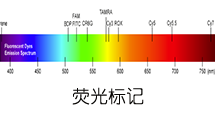
杭州专肽生物技术有限公司(ALLPEPTIDE https://www.allpeptide.com)主营定制多肽合成业务,提供各类长肽,短肽,环肽,提供各类修饰肽,如:荧光标记修饰(CY3、CY5、CY5.5、CY7、FAM、FITC、Rhodamine B、TAMRA等),功能基团修饰肽(叠氮、炔基、DBCO、DOTA、NOTA等),同位素标记肽(N15、C13),订书肽(Stapled Peptide),脂肪酸修饰肽(Pal、Myr、Ste),磷酸化修饰肽(P-Ser、P-Thr、P-Tyr),环肽(酰胺键环肽、一对或者多对二硫键环),生物素标记肽,PEG修饰肽,甲基化修饰肽等。
以上所有内容,为专肽生物原创内容,请勿发布到其他网站上。